English Learning Support via Arts Integrated Learning Project with Hong Kong Poetry
Thanks to the Department of English at the Chinese University of Hong Kong (CUHK), we are thrilled to have received over 20 poems from young poets in the department. These poems depict the authors' community-rooted lives and individual emotional connections with different neighborhoods such as Shek Kei Mei, Sheung Shui, and Wong Tai Sin. At the same time, they share diverse stories that range from immigrant memories, cross-generational relationships, and cultural identities to individual daily lives in various communities within Hong Kong. We are committed to meaningful collaborations with educational institutions such as CUHK in order to engaging university talent to create authentic and artistic content for real social impact. This kind of collaboration and support enables us to curate a wider and deeper range of sensational learning experiences for younger beneficiaries in Hong Kong.
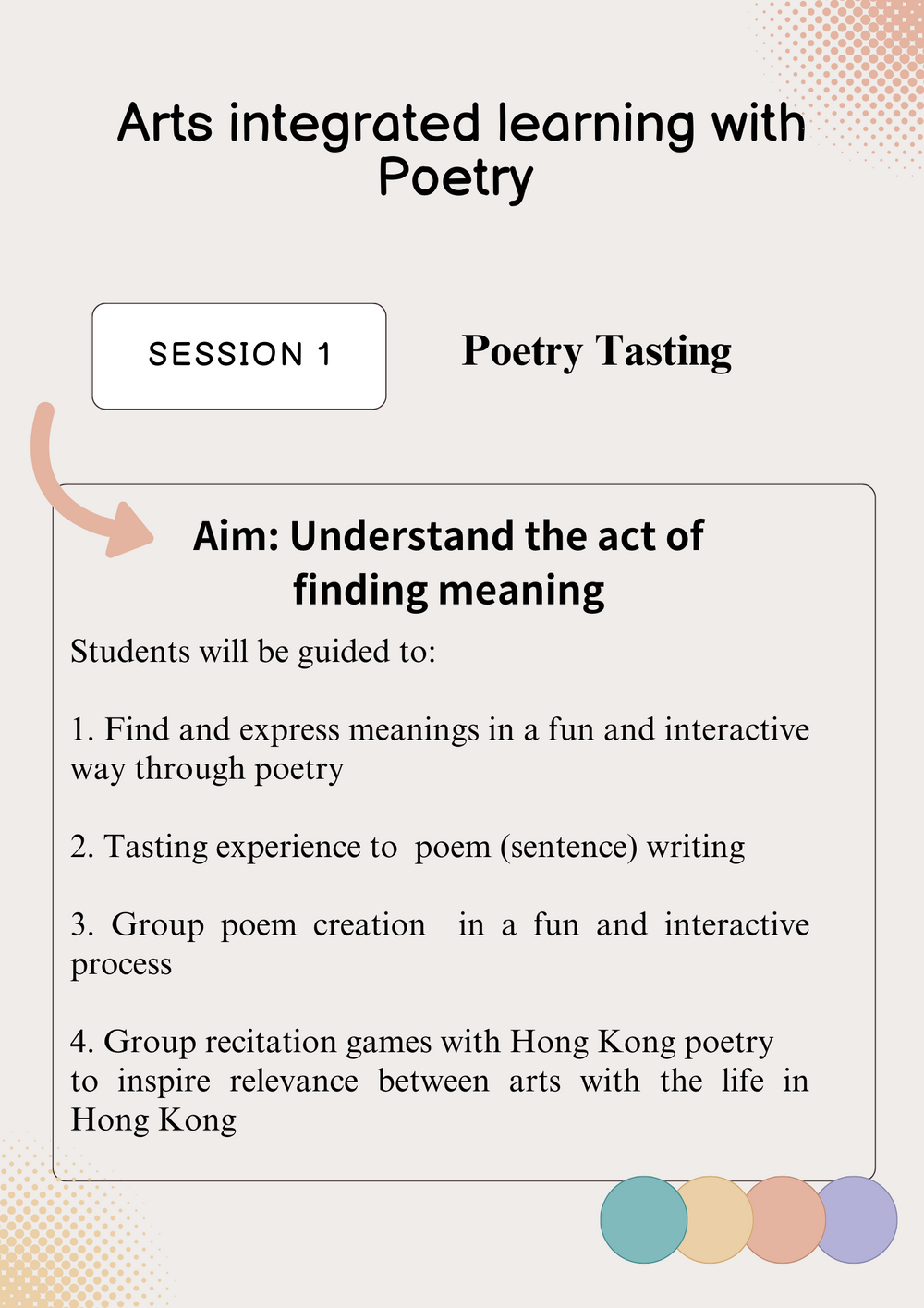
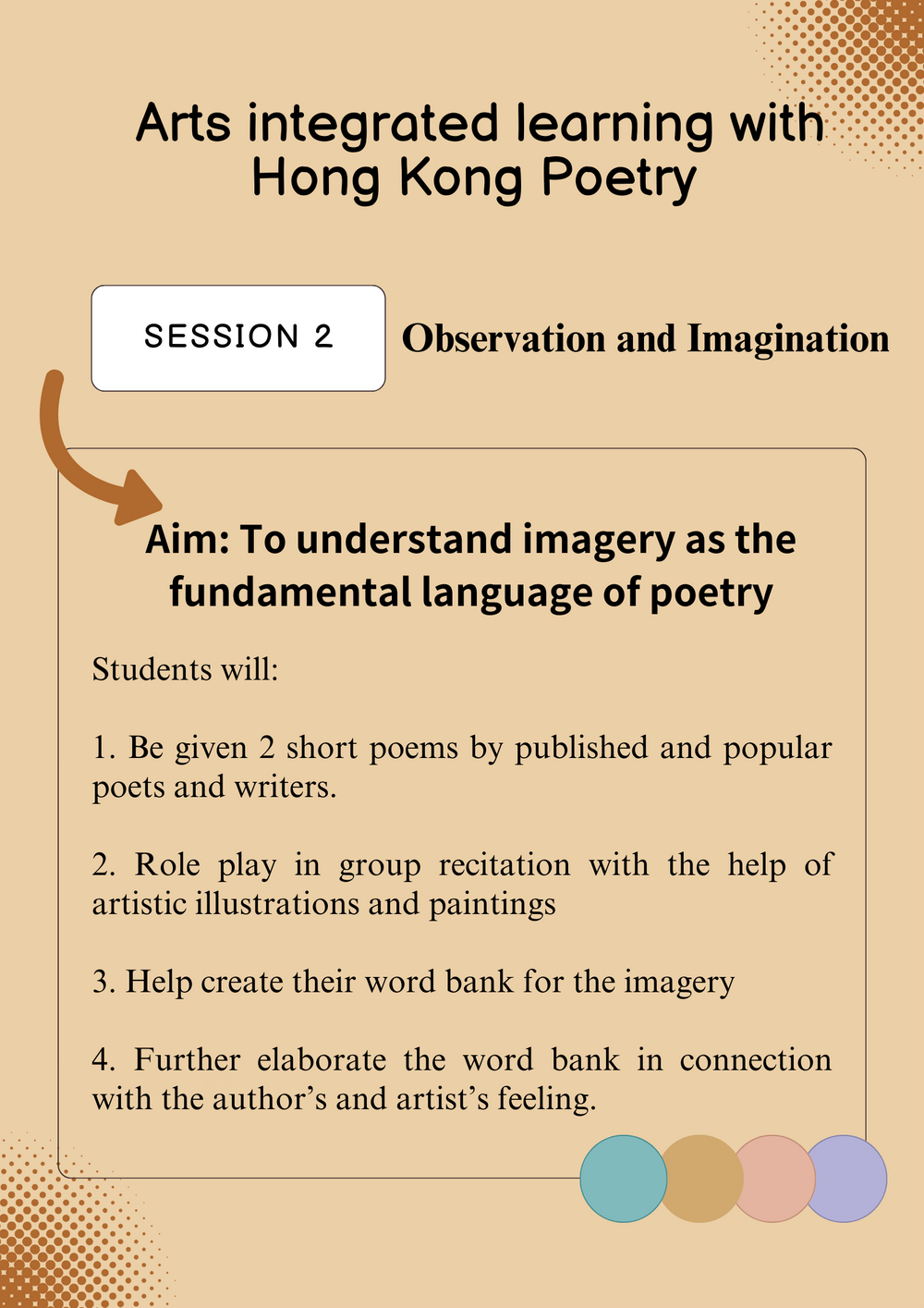
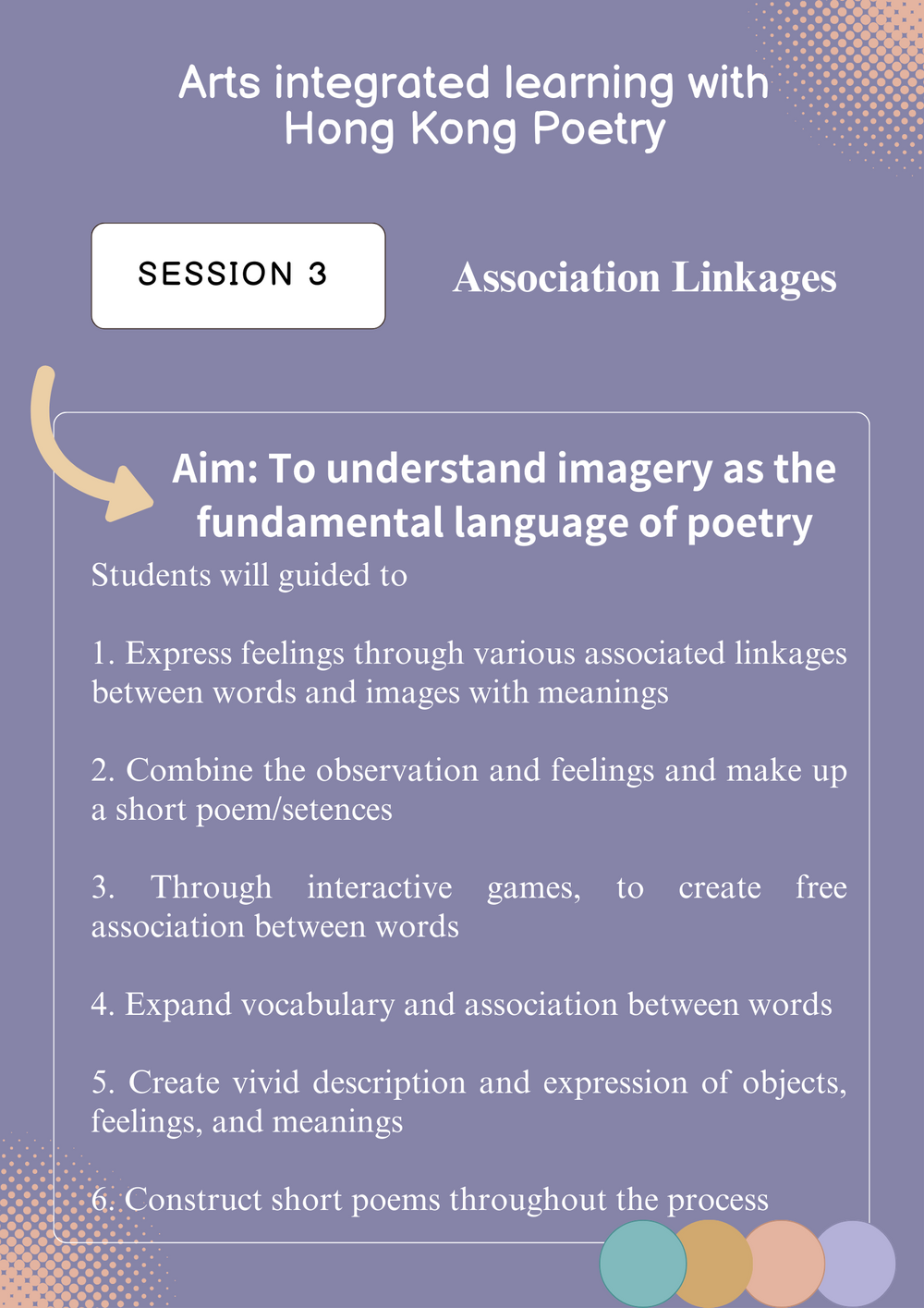
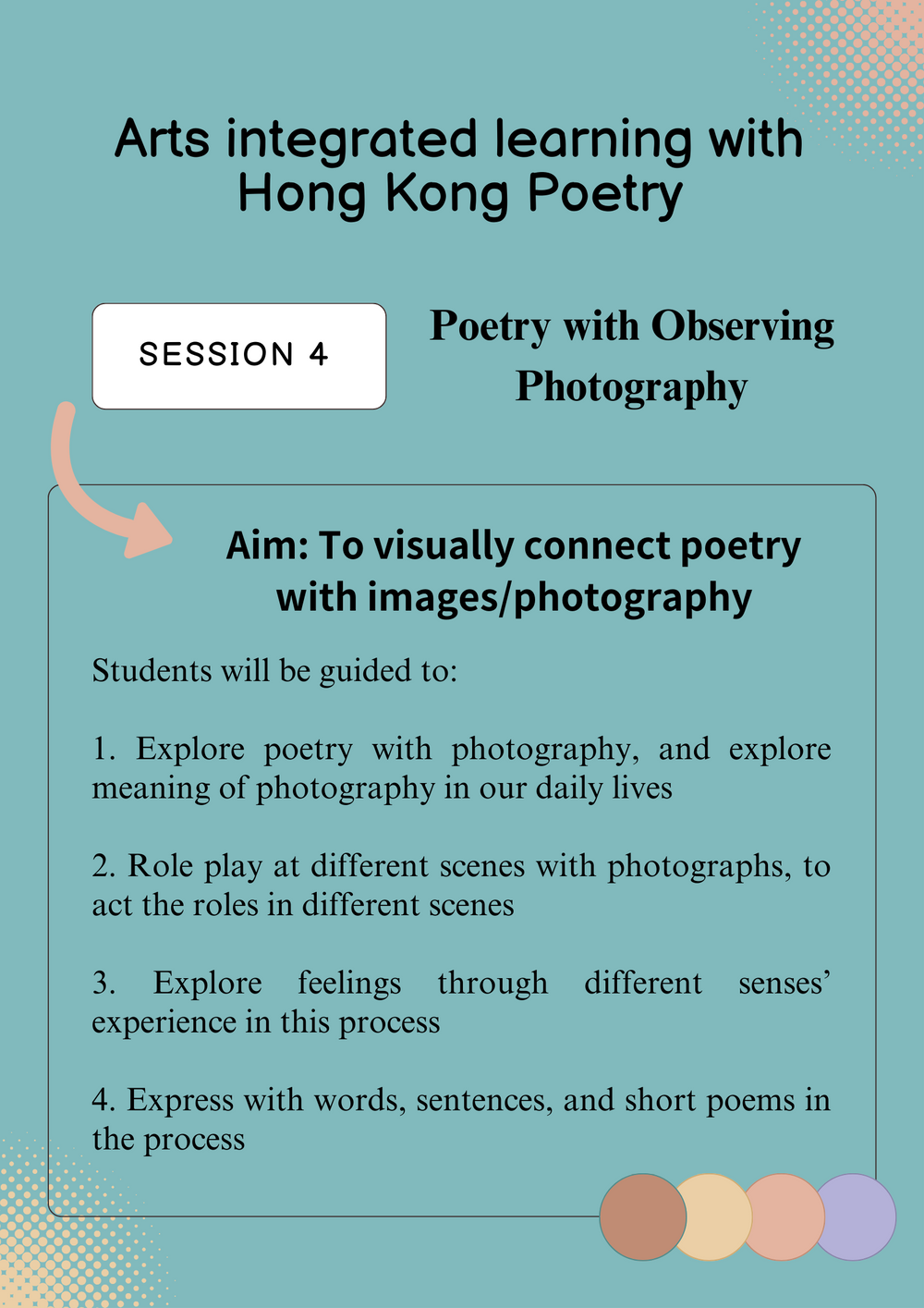
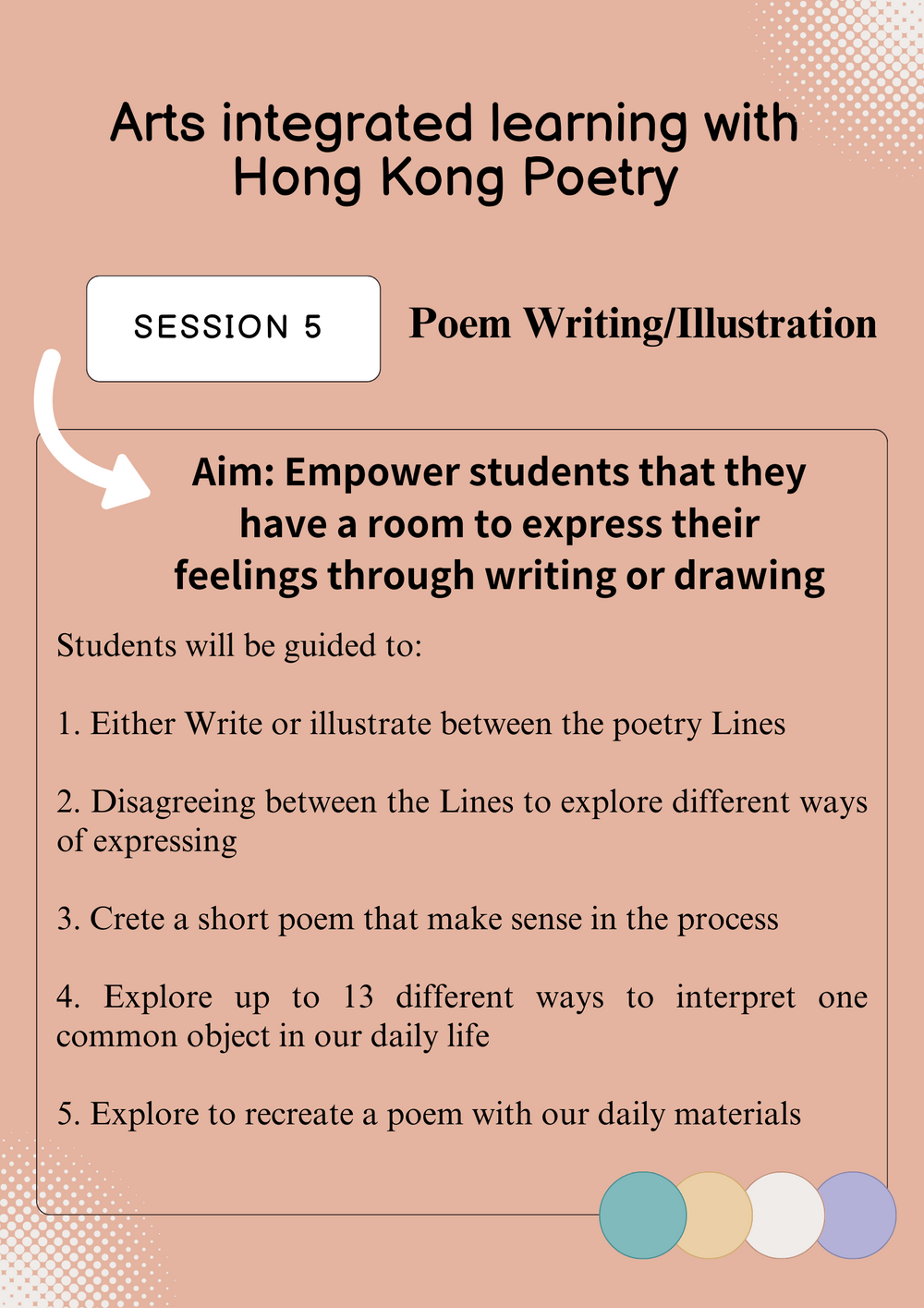
This arts-integrated learning project with poetry aims to support younger students in Hong Kong who have limited English proficiency, which can hinder their upward mobility.
Poetry, with its rhythmic flow of sounds and vivid imagery, breathes life into language learning. It unlocks the window to creativity, empowering learners to express their thoughts and emotions in a profound and memorable way. Through poetry, language becomes a vibrant tapestry of meaning, fostering a deep connection with and passion for the English language. More importantly, poetry connects young generation with the city we love and foster their positive relationship with people and the world beyond.
We believe that this pipeline project delivers a learning experience that forges meaningful connections with students' daily lives through artistic and visual elements, in the process enhancing their attitude and motivation in English learning. We are particularly eager to support primary and secondary schools or NGOs that serve a high proportion of less privileged students, including those receiving half or full textbook allowances, students with special educational needs, and cross-border students.